
A camel goes under
Am I giving up hope, or learning to face the dark?

Author’s note: this post is part two in a series on looking for hope in low surface brightness light. Read part one here.
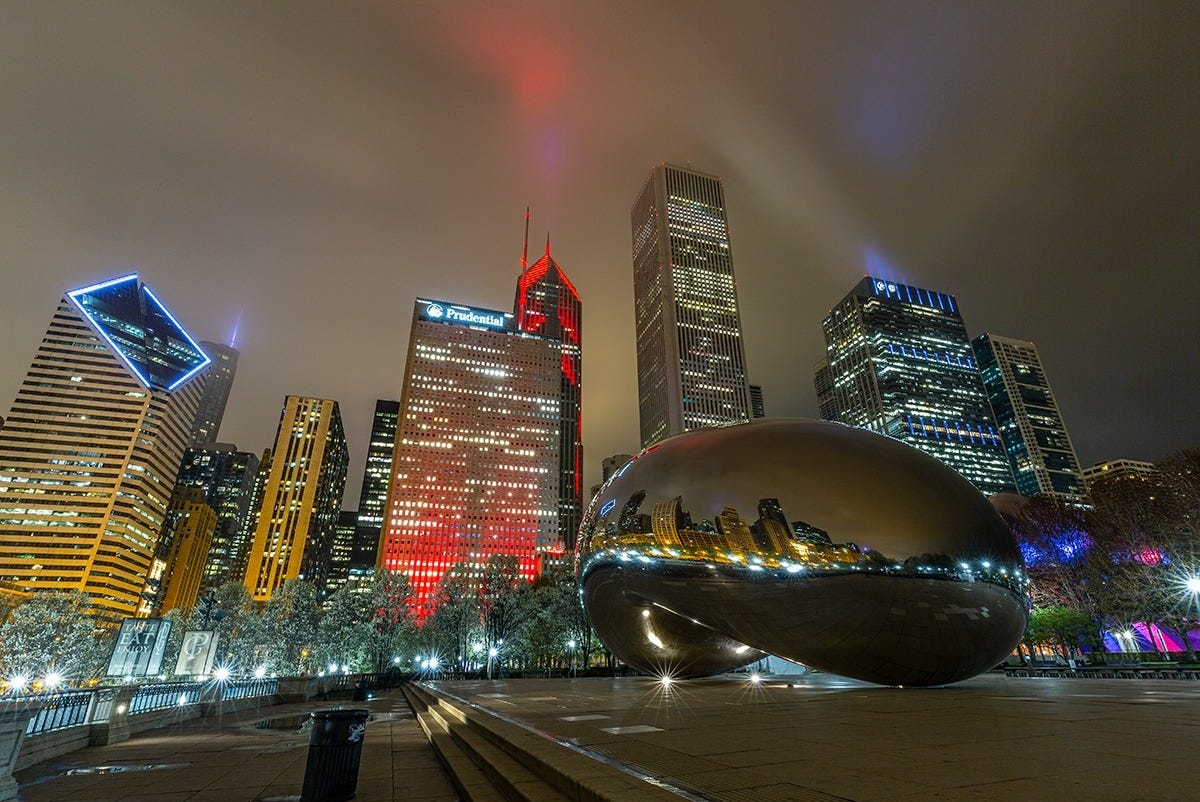
Growing up, you could see the Milky Way from my parents backyard. Far enough from town for the fainter stars to peak through, I remember the way I could lose myself in the sparkling darkness. Through the ups and downs of spelling tests, girlfriends, and unending zits, the steady march of the night sky was a constant on which I could lean. The world might change, but the spring stars would still rise each March, the summer stars still soar high in August.
And then, even this constant: it started to change. The Dykstra farm was sold and developed, the Amway factory, the streetlights on Fulton – most everyone actually – switched to LEDs. A new school, new police cell tower, new traffic lights and traffic: the dark sky slipped away.
I visited home last week for my grandpa’s funeral. My last living grandparent put to rest underground – a generation passed. Friday night, after the visitation, I wandered to the backyard in search of the constellations: my rocks in a turning world. A few of the brighter patterns were there: the Big Dipper, Northern Cross, Pegasus’s square, but much of the sky felt empty – washed out. All but the brightest stars were missing: the rough geometric shapes that remained were but skeletons, missing their hearts, necks, wings, and toes. There was no Milky Way.
***
Faced with the disappearance of the light I love – it’s strange. It’s not as I thought it would be: hard, like a wall at 100 mph or sharp, as a guillotine at 21 feet/second. No, the experience has been quiet, a slow filling of the lungs till no scream escapes, a slow sinking, with barely a thrash.
I write this as I try to cope with living through the second Trump presidency. I know that not everyone has experienced this as fears realized — a filling of the lungs — as drowning. But I have.
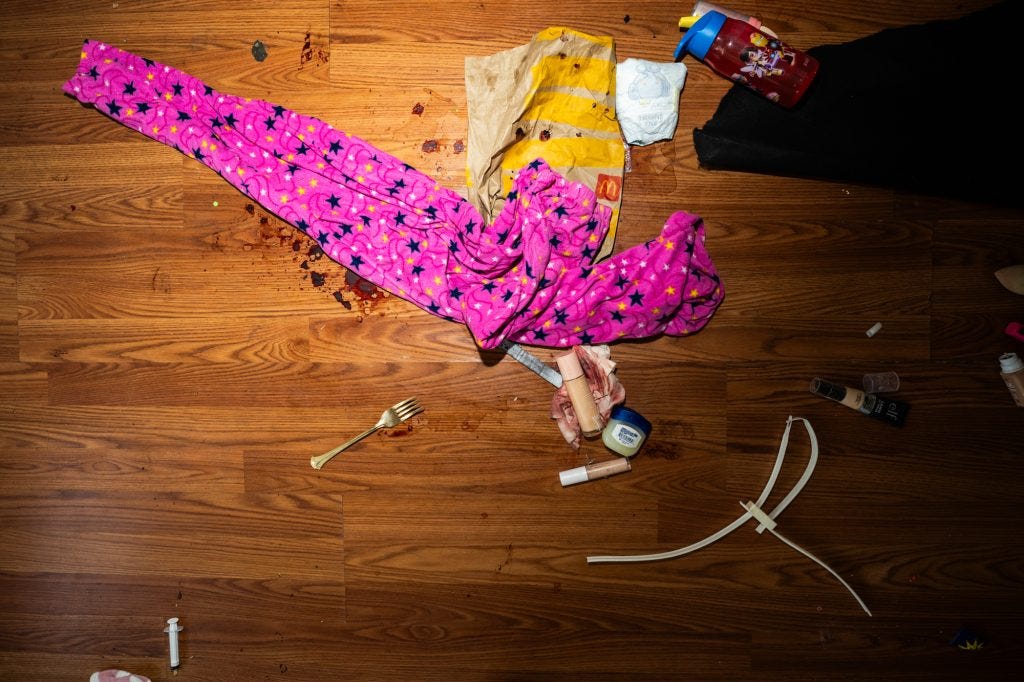
The roar of military helicopters shakes my Chicago apartment window today, my friend texts me from home, afraid to get groceries, while she awaits a new visa after a job change. I watch footage of children pulled from homes I regularly bike by, read about apartments ransacked, citizens zip-tied. A picture I once held — of some common morality or modern decency or American democracy — all gone, with barely a thrash.
***
More technically, why is it that stars disappear from view? How do you lose light?
The sky, it turns out, has its own surface brightness, it’s own light coming from each area of sky. I think of it like a sort of extragalactic sea level. Anything below the level of that light becomes invisible beneath its waves.
So just as sea level rise might slowly cover an island, a brightening of the night sky will cover a galaxy, or any other low surface brightness light.
I picture the distribution of light coming from a galaxy – it’s “surface brightness profile” – as shaped something like a camel’s hump, bright in the middle, sloping away to the edges. But the camel is fording a deep river (the sky), so only its humps, neck, and head are showing.
And now, imagine the water rising. A flood of airglow, moonlight, or LEDs – who knows what streams source this river? – what matters is that the humps shrink, and then go under. Neck and then flaring nose disappear in the froth.
***
I feel that flood right now, the suffocating artificial light. Research grants, jobs, visas, journalists, neighbors disappearing. Databases scrubbed. Webpages sunk under some AI infusion. It’s like we climb to the roof, but the water keeps rising. Though we wave our arms, no one seems to hear.
I recently watched a documentary about the 2004 Indian Ocean tsunami that killed over 200,000 people. I used to think of a tsunami as one giant crashing wave that you can see for miles. But no, the experience of a tsunami is more like a rapidly rising tide that just won’t stop. Like an overflowing river that keeps surging higher and higher, roaring, filled with crashing debris.
The documentary interviewed “survivors,” though the haunted emptiness behind their eyes made me question the term. I remember one father recounting running from the water, his child tightly gripped in his arms. I won’t let you go, he told her, squeezing tight. Then it caught him, the ripping, debris filled torrents, pulling them under. Eventually, he resurfaced. But his child was gone from his arms.
***
I so rapidly want to jump to hope. To look in the sky for something onto which we can cling.
But one thing I know about low surface brightness light is this: it takes a long time for your eyes to adapt to the dark. For any hope of detection, we must wait, shutters open, pointed at the night.
To be continued next post.
Love this post! Powerful writing. Thank you Luke.